- Home
- /
- Blog
Blog
Ideas in action.
Strategies, ideas, news, and inspiration from the ColorCraft team — on building exhibits that engage audiences and deliver measurable results.
- Design · Engineering · Fabrication · Install & Dismantle
- Orlando · Las Vegas · Dallas
- Blog Post
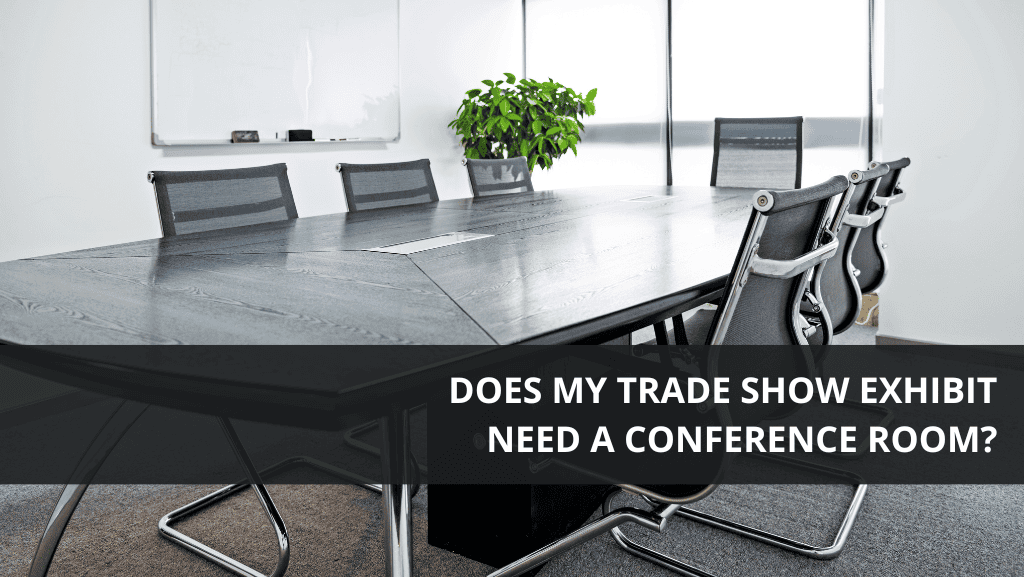
Trade shows serve as valuable platforms for networking and showcasing products/services. As trade show exhibits continue to evolve, including a private conference room has become a growing trend among companies. Do you need a conference room built into your next trade show exhibit? Learn what to consider.
Understanding the Role of Trade Show Booths:
Trade show booths are essential for achieving objectives such as increasing brand awareness, generating leads, and closing deals. However, engaging with prospects in a bustling trade show environment can be challenging. This is where a conference room can make a significant difference.
The Benefits of Including a Conference Room:
Enhanced Privacy and Exclusivity:
A conference room offers a secluded space away from distractions, allowing for confidential discussions. This exclusivity can create a sense of importance and make prospects feel valued.
Facilitating Meaningful Conversations:
Having a dedicated space for in-depth conversations enables exhibitors to discuss complex solutions, demonstrate products, and address specific client needs. It provides an environment conducive to building relationships and making meaningful connections.
Creating a Professional Image:
A conference room adds a touch of professionalism to your trade show exhibit. It showcases your commitment to providing a comfortable and conducive setting for discussions. This enhances your credibility and instills trust in potential clients.
Versatile Meeting Options:
A conference room offers flexibility to accommodate various meeting formats, such as one-on-one meetings, team presentations, and product demonstrations. The setup can be tailored to suit your specific goals and needs.
Factors to Consider:
Booth Size and Layout:
Consider your booth’s dimensions and design. Larger booths typically have more room for a dedicated conference room, while smaller booths may need to explore alternative options.
Target Audience and Goals:
Align the conference room concept with your target audience’s preferences and the goals of your trade show participation. Understanding your audience and objectives will help determine if a conference room is necessary.
Cost Considerations:
Take into account the potential costs associated with renting or building a conference room. Assess the return on investment by weighing the benefits derived from having a conference room against the expenses incurred. How many deals would you need to close to offset the cost of the additional space? Is it realistic to expect that you will close this amount of business from the show?
Alternatives to Dedicated Conference Rooms:
Semi-Private Meeting Spaces:
If a dedicated conference room is not feasible, consider creating semi-private meeting areas within your booth. Dividers, curtains, or strategically placed furniture can provide a degree of privacy for important conversations.
Including a conference room in your trade show booth can offer numerous benefits, such as enhanced privacy, meaningful conversations, a professional image, and versatile meeting options. However, it’s essential to consider factors like booth size, target audience, and cost before making a decision. By evaluating your specific needs and objectives, you can determine whether a conference room is a valuable addition to your trade show exhibit. Thinking of adding a conference room to your next trade show exhibit? Contact us today to discuss your next project.
- Blog Post
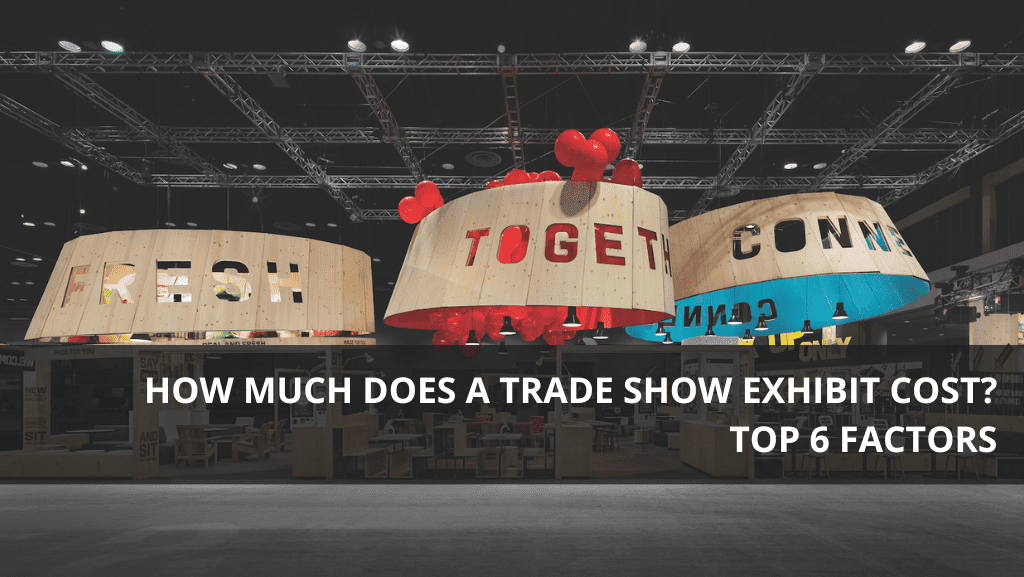
Trade show exhibits are a valuable marketing tool for businesses of all sizes. They provide an opportunity to showcase products and services, connect with potential customers, and network with industry professionals. However, creating a successful trade show exhibit can be a costly investment. The overall expense will comprise of multiple factors, ranging from exhibit design, materials, and graphic elements to storage and installation. Let’s take a look at the top 6 factors that influence the cost of a trade show exhibit.
1. Size and Complexity of the Exhibit
The size and complexity of the exhibit are the most significant factors that impact the cost. The larger and more complex the exhibit, the more materials and labor required to build it, resulting in higher costs. A larger exhibit also requires more space on the trade show floor, which can affect the overall cost of exhibiting.
To minimize costs related to exhibit size and complexity, businesses should determine the minimum size booth footprint required to showcase products and services effectively, while limiting the number of components to reduce complexity. A rental exhibit may also be a more cost effective option. Be upfront with your trade show exhibit company about your budget and goals, and they will be able to best advise on booth configurations.
2. Custom vs. Modular Design
The design of a trade show exhibit is another significant factor that impacts its cost. Custom-designed exhibits tend to be more expensive than modular exhibits, which are pre-designed and can be easily assembled and disassembled. Custom-designed exhibits require more design and fabrication time, resulting in higher costs.
Modular designs, on the other hand, offer pre-designed components that can be easily configured to create a unique exhibit. This can help to reduce design and fabrication costs while still allowing businesses to create a custom exhibit that showcases their products and services effectively.
Exhibitors should consider the pros and cons of custom and modular designs carefully, and discuss their goals with their trade show exhibit company. Determine which design option best fits the budget while still meeting the marketing objectives for the exhibit.
3. Graphics and Branding
The graphics and branding of the exhibit also impact its cost. High-quality graphics and branding materials, such as vinyl graphics and digital printing, can add to the cost of the exhibit. However, investing in high-quality graphics and branding materials can create a more impactful exhibit that attracts more visitors and generates more leads.
To reduce graphic costs, businesses should consider which graphic sections are absolute “must-haves” to achieve the desired marketing goals of the exhibit, versus where a complex graphic can be replaced with a solid color panel. For example, can a complex printed image be replaced with solid branding colors? Similar to the other factors, your exhibit agency will be able to guide you in maximizing bang for your buck when it comes to graphics.
4. Installation and Dismantling
The installation and dismantling of the exhibit can also impact the cost of exhibiting. If the exhibit requires professional installation and dismantling, it can add to the overall cost of the exhibit. Professional installation and dismantling services can be beneficial as they provide a hassle-free way to set up and take down the exhibit, but they come at an additional cost.
Exhibitors should consider the pros and cons of professional installation and dismantling services. Determine if the additional cost is worth the convenience, and if there are other ways to reduce costs without compromising the quality of the exhibit. Depending on the complexity of the exhibit however, professional installation and dismantling may be a requirement.
5. Storage and Shipping
Shipping and storage are important factors that businesses must consider when planning a trade show exhibit. The cost of storing and shipping your exhibit can vary greatly based on factors such as size, weight, distance, and the type of transportation used. Additionally, there may be additional costs involved in handling and labor charges associated with the shipment and storage of the exhibit.
Exhibitors should identify a reliable and experienced transportation and logistics provider to manage shipping and storage. This can help to ensure that the exhibit arrives on time and in good condition, while also minimizing shipping and storage costs. Ask your trade show exhibit builder for recommendations, or if they offer storage services.
6. Additional Features and Services
Additional features and services, such as lighting, audiovisual equipment, furniture, and promotional materials, can add to the cost of the exhibit. These features and services can enhance the exhibit’s functionality and aesthetic appeal, but they will add to your total investment.
In summary, creating a successful trade show exhibit requires careful consideration of various factors that impact its cost. By understanding the top 6 factors that influence the cost of a trade show exhibit, and optimizing costs based on marketing objectives and budget allocation, businesses can create an impactful exhibit that generates engagement and resonates with potential customers. Trade show exhibits are a valuable marketing tool that can provide a significant return on investment when planned and executed effectively.
Ready to discuss your next trade show exhibit? Contact us today to get started!
- Blog Post
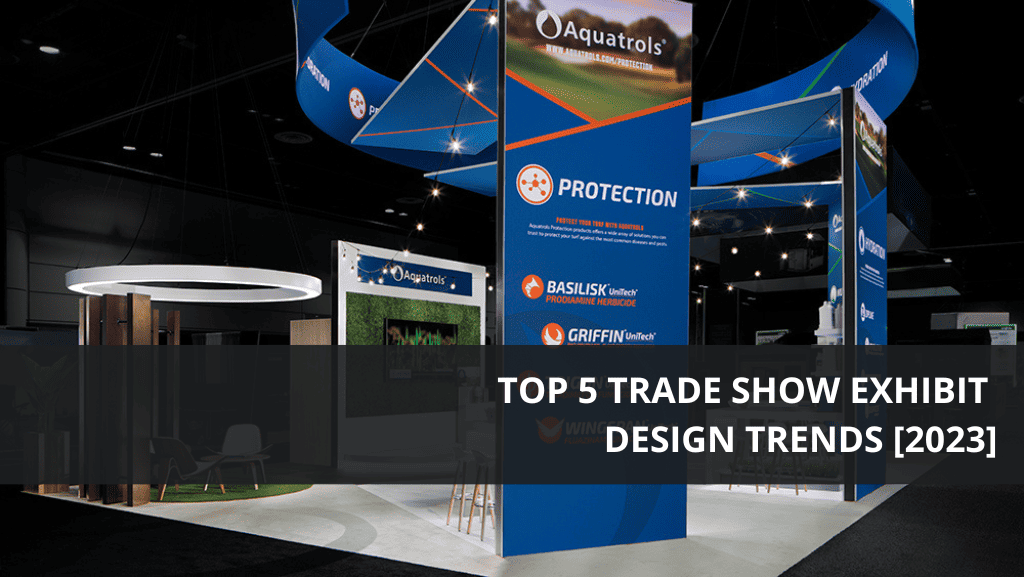
Trade shows are all about making an impact and standing out from the crowd. In 2023, we are seeing some exciting trends in trade show exhibit design that are sure to grab attendees’ attention.
From LED lighting to incorporating natural shapes and materials, exhibitors are getting creative with their displays. Conference rooms and meeting areas within exhibits are also becoming more common, and aluminum is now being used instead of wood for lighter weight, reducing shipping costs. And with technology more important than ever, live streaming from the event is becoming an increasingly popular way to engage audiences both on-site and online. Whether you are looking to buy a new custom exhibit, or are interested in designing a custom rental exhibit, let’s take a closer look at some of the top trends in trade show exhibit design for 2023.
LED Lighting
One trend that has already been gaining traction over the past few years is the use of LED lighting. LED lighting is becoming more affordable and accessible for exhibitors of all sizes. Not only does it help to highlight elements of your exhibit and draw attendees in, but it’s also energy-efficient and eco-friendly. Plus, with so many ways to customize light settings and colors, you can really make your exhibit stand out from the crowd while reinforcing branding.
Aside from spotlights, strip lights, flat walls, and accent coloring, modern LED technology allows exhibitors to create curved LED walls, adding a unique and dynamic styling element that really brings an exhibit to life.
Natural Shapes and Materials
Another popular trend is the use of natural shapes and materials. Incorporating organic elements such as wood, stone, or plants can help to create a more relaxed atmosphere that’s inviting for attendees. Plus, it helps to make your exhibit stand out from the pack and adds an extra layer of texture and interest.

Greenery
Whether you want to liven up your exhibit with a few plants, or incorporate an entire greenery wall, this is a great way to bring the outdoors to your exhibit, while also creating a fresh, natural atmosphere.
Natural Shapes
In addition to incorporating natural materials, another way to stand out is by creating unique shapes and structures. The days of boxy exhibit design are behind us. Not only does this draw in attendees, but it also makes for great photo opportunities.
Conference Rooms and Meeting Areas
As trade shows become increasingly busy, conference rooms and meeting areas are becoming more popular as a way to provide a quiet space for attendees to have conversations. While these spaces may be small, they can really make an impact by using colors, textures, and shapes to create an inviting atmosphere, allowing your sales team to make more meaningful connections at trade shows.
Aluminum Exhibit Frames
Aluminum is becoming the material of choice for many exhibitors due to its lightweight properties. It’s easy to transport and assemble, making it ideal for larger exhibits or events that require frequent setup and break down. Plus, aluminum can be used in a variety of ways to create interesting designs.
Although wood can be cheaper, the shipping costs can become prohibitive. Additionally, an aluminum frame booth will handle significantly more wear and tear, giving your booth a longer lifespan.
Live Streaming
Live streaming is becoming a popular way to engage both onsite and online audiences. Whether it’s live interviews or presentations, real-time broadcasts can help to keep attendees informed and engaged throughout the event. Plus, they provide an opportunity for exhibitors to reach an even wider audience and increase brand recognition.
Overall, there are plenty of new and exciting trends in trade show exhibit design. From LED lighting to incorporating natural shapes and materials, exhibitors have a wealth of creative options to explore. Plus, with the use of aluminum and technology such as live streaming, there’s no limit to what you can do!
Planning for an upcoming trade show? Contact us today to discuss how we can help you create the perfect exhibit to make an impact.
Ready to build your next. show.
Tell us about your next event — booth size, show dates, and what you’re trying to get across the floor. A partner will follow up directly.